

The Real Value of Home Automation:
It’s Not About Your Electric Bill
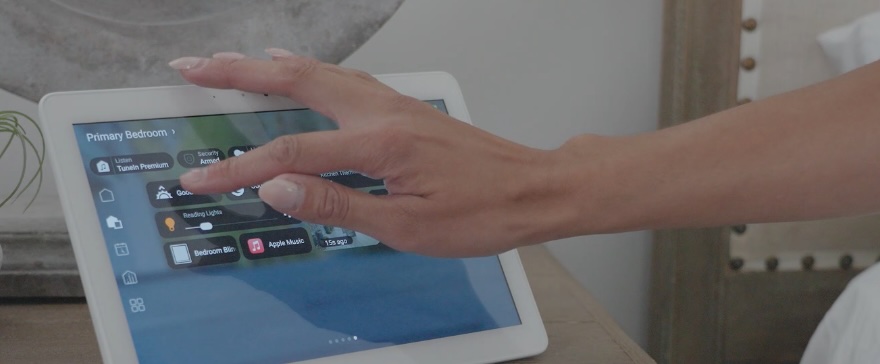
When people first consider home automation, they usually ask the practical questions: Will this lower my energy bill? Can a smart thermostat really save money? Is this worth it, or just expensive tech?
These are fair questions. But if you only look at the dollars and cents, you’re missing the real story.
The true value of a well-designed smart home isn’t found in your utility bill. It’s in how your home feels to live in every day. It shows up in security, time savings, and that intangible sense of peace you get when everything just works.
Looking at the Wrong Scorecard
First off, yes, the financial benefits are real. Smart thermostats reduce heating and cooling costs. LED lighting cuts your electric bill. Many insurers offer discounts for monitored security systems. Our very own home automation expert, Henry Clifford, reports his HVAC costs running 30 to 40% lower than they would be otherwise.
But these “micro” benefits, while valuable, pale in comparison to the macro ones:
- Time you get back because your home handles more on its own
- Fewer “Did we lock the door?” moments when you’re already in bed
- Less tech stress falling on the same person (you know who you are)
- A calmer, safer-feeling home that simply works
Judge home automation only by your utility bill and you’re grading it on the wrong scale entirely.
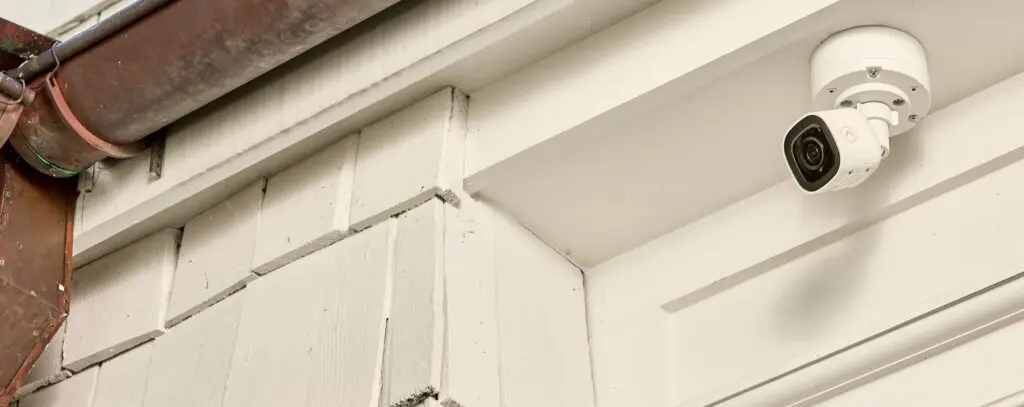
Your Home’s Smart Perimeter
One of the clearest advantages is what a smart security system does for peace of mind.
Consider Clifford’s setup: “From a security perspective, you could not get within 300 feet of my house right now. I’ve got you lasered up… you cannot come on my property without me knowing a person is coming down your driveway. I love that. If I’m traveling, I know.”
When cameras, sensors, lighting, and alerts work together seamlessly, your home becomes aware. It can detect motion at the property edge, automatically illuminate key areas, and send clear notifications so you know exactly what’s happening, whether you’re upstairs or overseas.
Add voice warnings and smart floodlights, and it becomes obvious to anyone approaching that the property is monitored. That alone deters most trouble. More importantly, it gives you a very specific feeling when you’re away: someone’s on it, even when you’re not.
What You Can’t Put a Price On
Modern security systems often qualify you for insurance discounts, and smart sensors can prevent costly damage from leaks or temperature extremes. But the financial perks, again, are secondary to something more fundamental: confidence.
- You’re less likely to be blindsided by a break-in or disaster
- If something does happen, you have recordings and alerts to back you up
- You can check on your home in seconds from anywhere in the world
That quiet sense of security, the one you feel every time you lock up and leave town, or simply turn in for the night, is the real ROI.
Liberating Your “In-Home CIO”
In most households, there’s one person who’s become the unofficial IT department. They fix the Wi-Fi, troubleshoot every gadget, and field every “Why isn’t this working?” complaint.
Clifford reframes smart home value around that person: “What’s that worth to you? Happiness, domestic tranquility, togetherness… And then the security, the peace of mind of knowing things are handled.”
With a professionally designed system, you’re not simply buying hardware but you’re buying back your evenings and weekends:
- Fewer late-night troubleshooting sessions
- Less frustration when something inevitably glitches
- More time actually enjoying your home instead of maintaining it
A Team in the Background
Smart home systems get even better when you’re not the only one keeping them running.
With professional monitoring and remote support, you’re adding a team that watches system health, receives alerts when devices go offline, and often fixes problems before you notice them.
Our team at Livewire consistently gets customer feedback: “They fixed things before we even know they’re broken. What’s that worth? If that’s a $50 a month product, is it worth more than $50 to them at that one moment in time? Absolutely.”
You won’t see “prevented 11 p.m. Wi-Fi meltdown” on any invoice. But that’s exactly what you’re paying for.
What Homeowners Actually Report
The subjective benefits are backed by data:
- 77% of smart home adopters believe these devices improve their overall quality of life, with security and remote monitoring cited as key advantages (Deloitte)
- 60% of smart home owners feel safer thanks to their devices, particularly smart doorbells and cameras (Nationwide)
- 88% think smart home devices are worth the money, with about 60% believing the technology has saved them money through efficiency and avoided problems (American Home Shield, 2025)
Research consistently shows that smart home technology reduces energy costs, qualifies homes for insurance discounts, and helps catch problems early through remote monitoring and predictive maintenance. Avoiding costly emergencies before they happen.
Homeowners aren’t just hoping these systems will help. They’re experiencing tangible benefits in lower risk, fewer surprises, and genuine peace of mind.
The Moment It Clicks
There’s something you can’t fully quantify: how it feels once you’re used to living with it.
Clients often reach a tipping point where, as Henry puts it, “there’s no way I would ever not have this stuff in my house.” That switch flips when you’ve experienced the reality of knowing your doors are locked, your lights are set, and your cameras are watching (without you having to think about any of it).
If you only chase measurable savings, you’ll underestimate what’s possible. Once you’re living in a well-designed smart home, it tends to over-deliver on the things that actually matter.
The Bottom Line
If you evaluate home automation purely by electric bill savings, you’re aiming at the wrong target.
Those benefits exist – but they’re the fine print.
The real value is this:
- A home that watches the perimeter while you sleep
- Systems that quietly handle background tasks
- Freedom from constant troubleshooting
- A calmer, safer feeling every time you walk out the door
Done right, home automation isn’t about collecting smart gadgets. It’s about security, peace of mind, and the freedom to worry less about what your home is doing and more about actually living in it.
 CALL US 804.616.4156
 BOOK APPOINTMENT
 Get Instant Pricing