

Livewire works with Richmond builders and general contractors to prewire new homes for smart home technology. We plan the low voltage with you from the drawings and run it at rough-in, before insulation and drywall. Then we come back to finish it at trim, working around your schedule rather than asking you to work around ours.
Livewire is a Richmond technology integrator that prewires and installs smart home systems in new construction across Central Virginia. We work with builders, general contractors and their homeowners on structured wiring, networking, lighting control, shading, audio and video, and security. We plan from the drawings, coordinate with your electrician, run and label the low voltage at rough-in, and install and test everything at trim-out. We have been doing this for more than 20 years, and about 80% of our business comes from referrals.
A new home has a lot of people with a say in it, and the technology touches most of them. We try to make that easier for each one.
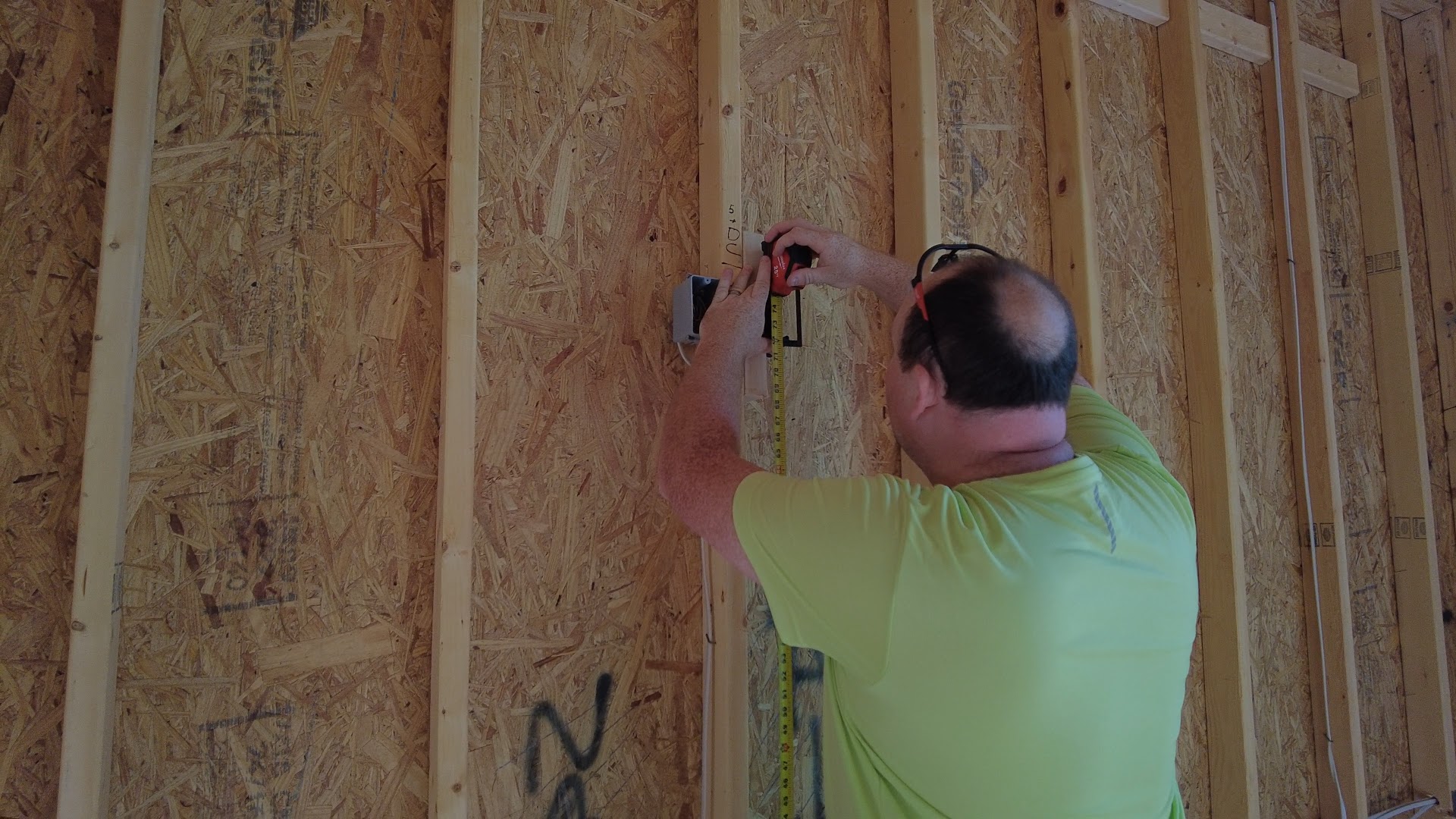
You want the technology done right without becoming its project manager. We plan it, price it, show up at the right stage, and keep you informed about what happens next.
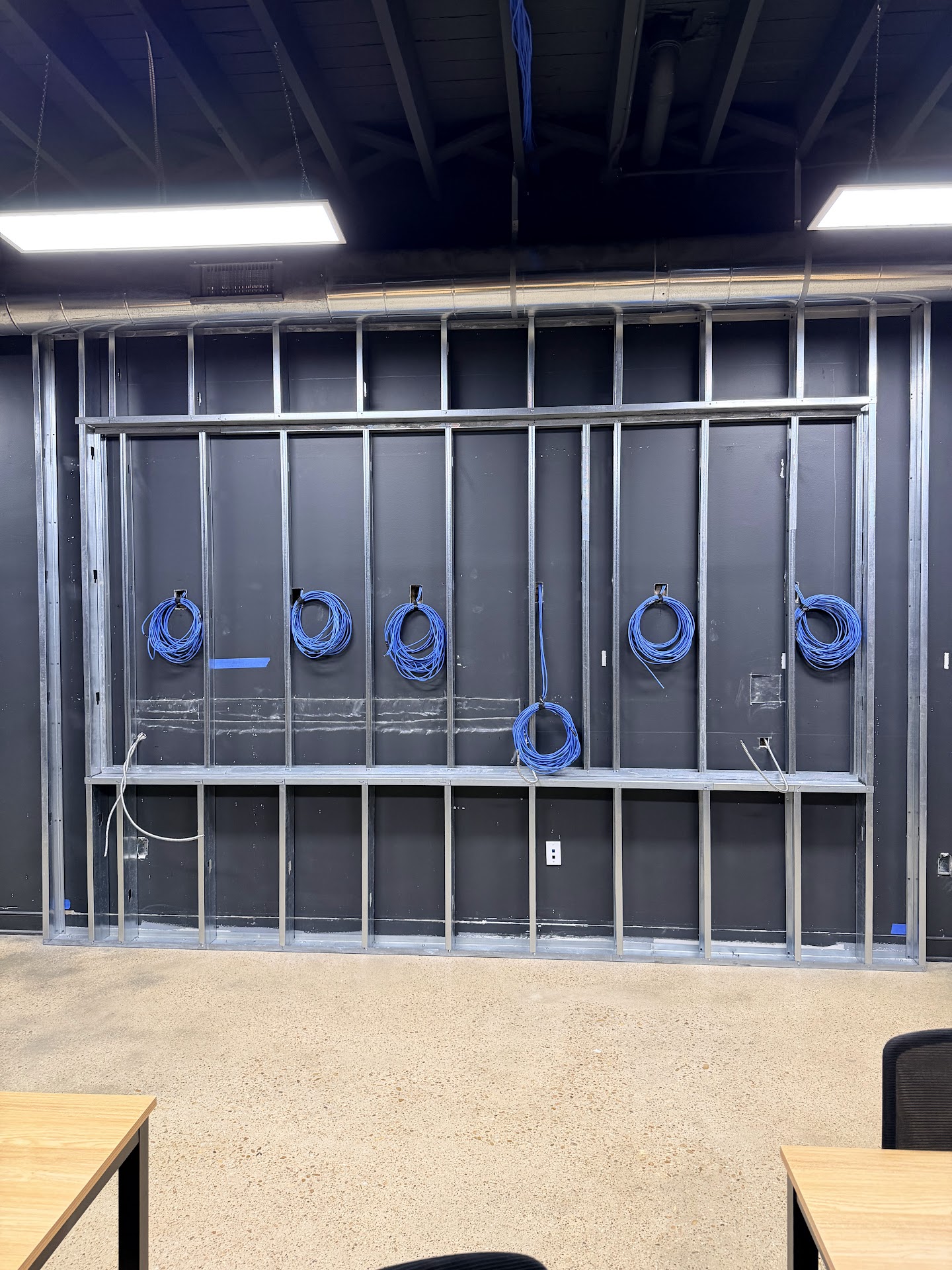
You need a low voltage trade that fits the schedule and documents what it did. We work alongside the electrician and the other rough trades, and leave labeled, documented wiring behind us.

You want a house that works the day you move in and can grow later. We help you decide what to wire for now, so adding a speaker or a camera next year does not mean opening a wall.
Working with an architect or interior designer on the project? We have a separate page for architects and interior designers.
Prewire is the cheapest moment in a house to get technology right. Everything we run now is something nobody has to fish through a finished wall later. At rough-in, after framing and alongside the other rough trades, we run and label the low voltage wiring the plan calls for and bring it back to one place.
Much of what makes a smart home work is decided by the electrical rough-in, not by us. We would rather talk it through with your electrician before the job than after it. These are the details we usually raise:
Our in-house team includes a Master Electrician and certified lighting consultants, so these conversations happen between people who do this every day. For larger projects we can also provide photometric layouts, wiring plans, elevations and spec documentation that give your team a head start.
We know a technology contractor who holds up drywall is the last one a builder calls back. So we plan the work in stages that line up with the way a house actually gets built, and we ask for your dates early.
Changes happen on every build. When the plan moves, your project manager tells you what it affects and keeps the documentation current, so there are no surprises at closing.
Some of this is hard to explain on a drawing. Lighting, shading and audio are much easier to choose once you have seen them. Bring your homeowners to our Richmond Design Center and Ketra Certified Showroom to see lighting, shading and AV working in a real space.
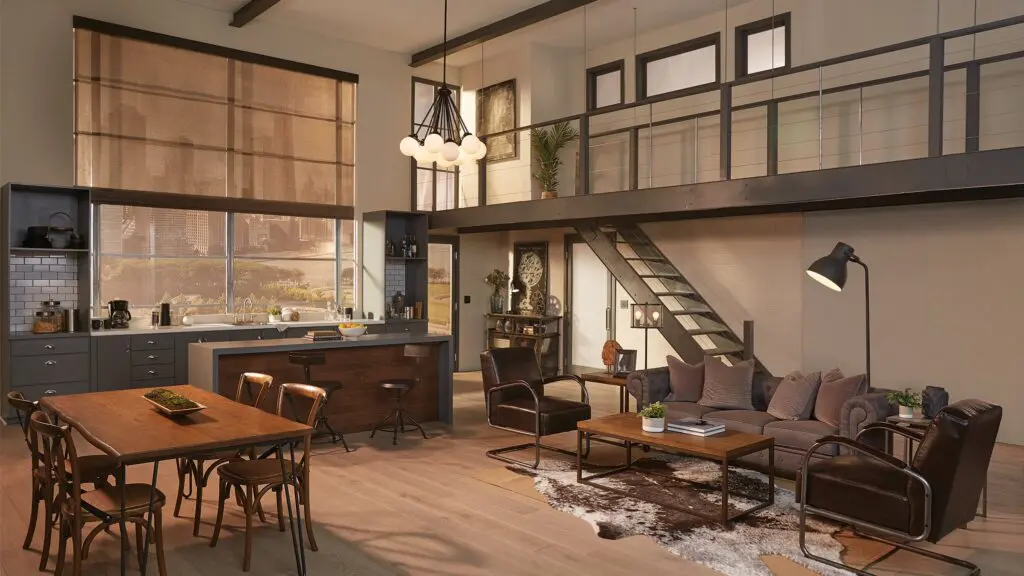
Our one-page Residential Menu is a quick guide you can hand to a buyer to show everything we offer, and what is worth wiring for now.

Our webinar on planning residential electronic systems walks through how these systems are planned and documented at the construction drawing stage.
Building multifamily or commercial? See multifamily solutions and commercial electrical.
Richmond • Henrico • Short Pump • New Kent • Spotsylvania • Chesterfield • Ashland • Tuckahoe • Williamsburg • Thornburg • Midlothian • Glen Allen • Petersburg • Hopewell • Caroline • Powhatan • Atlee • Colonial Heights • Goochland • Fredericksburg • Mechanicsville • Hanover • Charles City • Charlottesville
Do not see your town? Contact us to find out if we can accommodate your needs.
As early as you can, ideally while the plans are still on paper. That is when the wiring plan, the box locations and the equipment closet can be drawn into the house instead of squeezed in later. The latest useful point is before insulation and drywall, because once the walls close, every wire we did not run becomes a harder and more expensive job.
Prewire is the low voltage cable run through the open framing: network, speaker, video, security and control wiring, all labeled and brought back to one central location. Rough-in is that same stage on the construction schedule, alongside the other rough trades and before insulation. Trim-out comes after drywall and paint, when we install and connect the devices, speakers, keypads, equipment and network, then test and set the system up.
Yes. Smart lighting and automation depend on details the electrician controls, such as neutral wires at switch locations, the right junction boxes, and separate circuits for equipment. We talk through those with your electrician before rough-in so nothing has to be redone. We also have a Master Electrician on our own team, so the conversation is between people who speak the same language.
We can give you a rough budget number over the phone. For a detailed design and proposal we collect a 4% design retainer, and if you go ahead with Livewire, the full retainer is credited toward the project. You can also take the detailed proposal and bid the work out. Either way, the drawings and documentation describe the job the same way for every bidder.
That is very common, and it is exactly what a prewire is for. Running cable and adding boxes where a homeowner is likely to want speakers, cameras, shades or keypads costs little while the walls are open. Later, they can add the equipment without tearing anything up. We can help you and your buyer decide what is worth wiring for now.
We install and support Control4 and Savant for whole-home control, and Lutron and Ketra for lighting and shading, along with networking, distributed audio and video, home theater and security. Our Residential Menu gives you and your buyers a one-page look at everything we offer.
Richmond and Central Virginia, including Henrico, Chesterfield, Short Pump, Midlothian, Glen Allen, Hanover, Goochland, Powhatan, Williamsburg, Fredericksburg and Charlottesville. The full list is on this page. If your site is just outside it, ask anyway.
A prewire is the start. These are the systems it makes room for.
Prefer to talk it through? Call (804) 937-9001. Otherwise fill this in, mention the builder or GC, the address or lot, and roughly when framing wraps up, and we will come back to you about next steps.
 CALL US 804.616.4156
 BOOK APPOINTMENT
 Get Instant Pricing